Sofa bed, daybed or Murphy bed?
Side-by-side comparison for small apartments: footprint, comfort, typical US price ranges, setup and renter-friendliness — plus which one to pick for your situation.
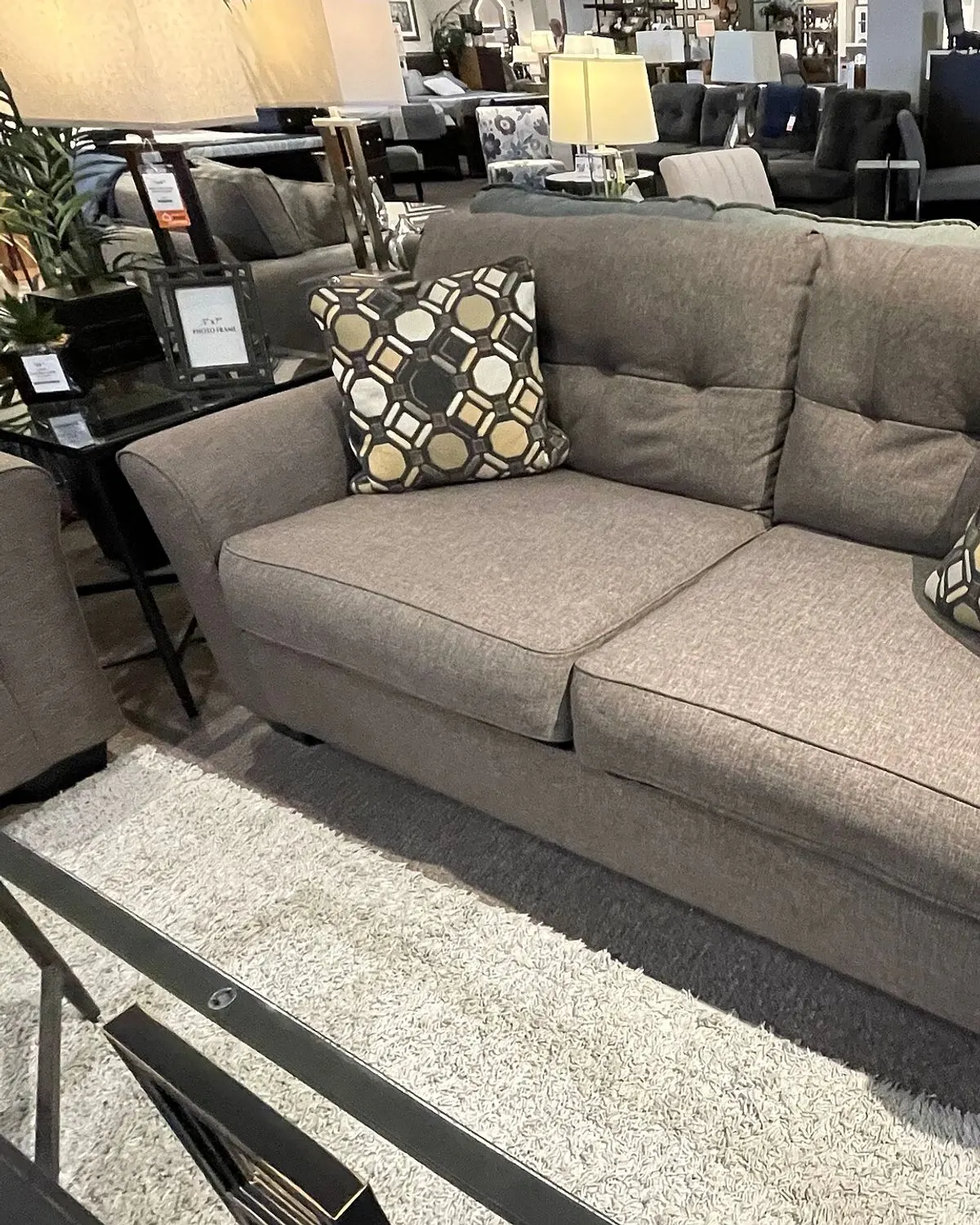
If you’ll sleep on it every night, get a daybed (or a real bed and the Divider floor plan). A sofa bed is best when the bed is mainly for guests. A Murphy bed saves the most floor but costs the most and needs permission to bolt into the wall — a hard sell in a rental.
Side by side
| Daybed (with trundle) | Sofa bed | Murphy bed | |
|---|---|---|---|
| Typical US price range | $250–$700 | $400–$1,500 | $1,500–$4,000 installed |
| Floor space by day | Twin bed (39×75 in) | A sofa (about 36×80 in) | 16–20 in deep against the wall |
| Floor space at night | Twin, or two twins with trundle | Full or queen (54–60 × 75–80 in) | Full or queen |
| Mattress | Real twin mattress | Thin fold-out (unless upgraded) | Real mattress, up to about 12 in |
| Daily setup | Move pillows (1 min) | Remove cushions, unfold (3–5 min) | Lower the bed (1 min) |
| Renter-friendly | Yes | Yes | Only with permission |
| Moves easily | Yes | Heavy, but yes | No |
Price ranges are rough figures for what’s common at big US retailers; they move with sales and seasons.
Choose the daybed if…
- You’ll sleep on it every night: you get a real mattress.
- Your budget is under $700.
- You like a “sofa” you can lie down on.
Downside: it’s a twin. Two people sleeping every night need something else.
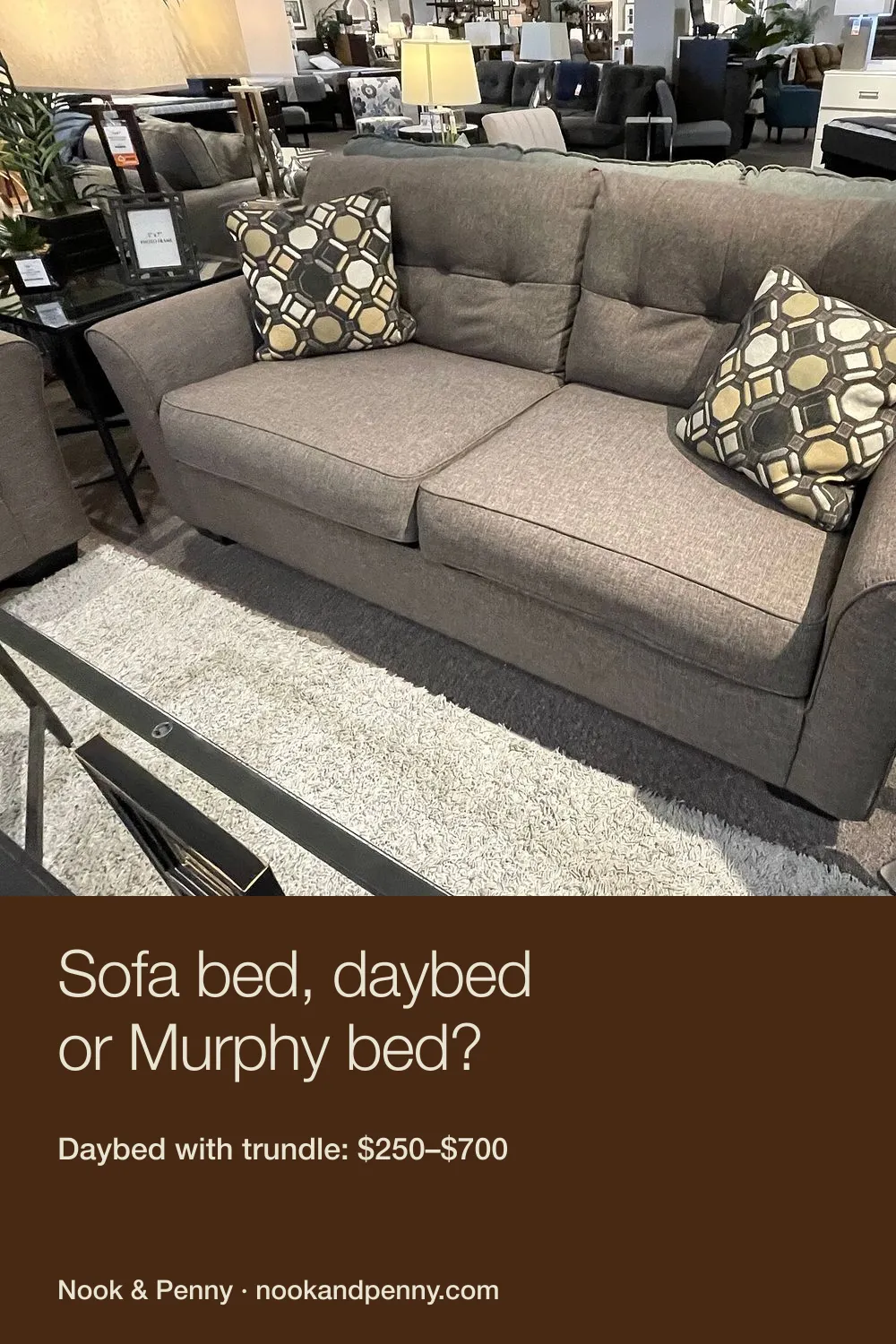
Choose the sofa bed if…
- The bed is for guests a few nights a year.
- You want something that looks like a normal sofa.
Downside: cheap fold-out mattresses are thin and you can feel the bar. If you buy one, look for a memory foam mattress at least 4.5 inches thick, and check the opened length against your room: a full sofa bed open is about 90 inches from the back of the sofa to the foot of the mattress.
Choose the Murphy bed if…
- You own the place, or you have a long lease and written permission.
- You need a full or queen and a real living room in under 400 sq ft.
Downside: price and installation. A Murphy bed has to be bolted into the wall studs following the manufacturer’s instructions — a heavy bed that isn’t anchored properly can fall, which is the kind of tip-over hazard the CPSC warns about. In a rental, check your lease and state rules (USA.gov’s tenant rights page links to state resources) and get permission in writing.
Measure before you buy
- Open length: measure from the wall to the foot of the bed when it’s open, and leave 24–30 inches to walk past.
- Doorways and stairs: sofa beds are heavy and deep. Measure the narrowest door on the way in.
- Outlets and vents: a Murphy bed can’t cover them.
More measurements in our furniture clearance cheat sheet, and zoning ideas in 7 studio layout tricks.
Sources
Quick answers
Is a Murphy bed allowed in a rental?
Only with your landlord's written permission. Murphy beds must be bolted to the wall studs, so they mean holes and repairs when you move out.
Is a sofa bed comfortable enough to sleep on every night?
Most aren't. If you'll sleep on it every night, choose one with a memory foam mattress at least 4.5 inches thick, or pick a daybed with a real twin mattress instead.
Which takes up the least space?
A Murphy bed, when it's closed: about 16–20 inches deep against the wall. A daybed takes the same floor as a twin bed, and a sofa bed takes a sofa's footprint by day and a full bed's by night.